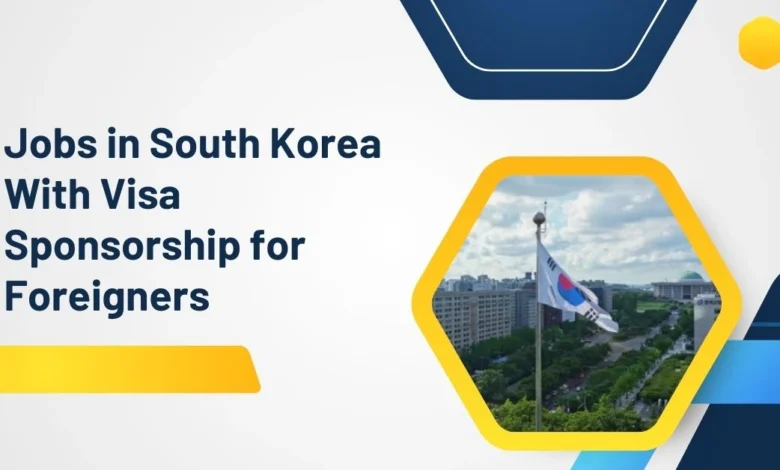
Foreign nationals can legally work in South Korea if they meet the eligibility criteria and obtain a South Korean work visa sponsored by an employer. In 2026, the most common visa sponsorship jobs for foreigners are in technology, manufacturing, education, healthcare, logistics, and bilingual corporate roles.
Can Foreigners Work in South Korea?
Yes. Foreign nationals can work in South Korea provided they secure an employer-sponsored work visa. South Korea actively hires skilled and semi-skilled foreign workers through regulated visa categories such as E-2, E-7, and E-1, depending on the profession.
In our experience analyzing overseas employment trends, candidates with clear visa knowledge are 3× more likely to secure interviews than those applying blindly.
Read Also: Best Recruitment Agencies in South Korea For Foreigners
Latest Visa Sponsorship Jobs in South Korea for Foreigners (Updated)
Below are current examples of visa sponsorship roles commonly offered to foreign nationals. These roles typically require bilingual skills, professional experience, or technical expertise.
1. Assistant Sales Manager (Chinese or Korean/English Bilingual)
- Job Type: Full-Time
- Salary: $79,000–$93,000 per year
- Industry: Sales & Corporate Operations
2. Audit Manager (Korean Bilingual)
- Job Type: Full-Time
- Salary: $110,000–$150,000 per year
- Industry: Accounting & Finance
3. Transportation Manager (Trucking & Compliance)
- Job Type: Full-Time
- Salary: $80,000–$95,000 per year
- Industry: Logistics & Transportation
4. Korean Bilingual Freight Broker Agent
- Job Type: Full-Time
- Industry: Freight & Supply Chain
5. Facility Management Administrator (ENG/KOR)
- Job Type: Full-Time
- Salary: $20/hour
- Industry: Facilities & Operations
6. LVN II – Public Health
- Job Type: Full-Time
- Salary: $46,000–$64,000 per year
- Industry: Healthcare
7. Logistics Manager
- Job Type: Full-Time
- Salary: $110,000–$125,000 per year
- Industry: Logistics & Supply Chain
Other in-demand roles include:
- AI Tutor (Bilingual)
- MES Engineer (Korean Bilingual)
- Infrastructure Network Engineer
- Samsung Operations Support Specialis
Work Visas in South Korea
Any company hiring a foreign worker in South Korea must act as a visa sponsor. South Korea offers multiple work visa categories, each linked to a specific job type.
This system ensures compliance with the Korean Ministry of Employment and Labor and immigration authorities.
Types of South Korea Work Visas
These visas allow employment beyond 90 days:
- E-1 – Professor
- E-2 – Foreign Language Instructor
- E-3 – Research
- E-4 – Technological Guidance
- E-5 – Special Professions
- E-6 – Culture & Arts
- E-7 – Specially Designed Activities (most common for professionals)
- D-5 – Long-Term News Coverage
Requirements to Obtain a South Korea Work Visa
While requirements vary by visa type, most applications include:
- Valid passport + copies
- Completed visa application form
- Passport-size color photograph
- Signed employment contract
- Educational certificates
- Professional experience documents
- Criminal background check
- Recommendation letter (if applicable)
Benefits of Jobs in South Korea
- Legal Right to Work and Live Visa sponsorship allows foreigners to work and stay in South Korea lawfully.
- Employer-Sponsored Visa Process Companies handle most immigration paperwork, reducing stress and delays.
- Competitive Salaries Many roles offer attractive pay, especially in IT, engineering, manufacturing, and education.
- Comprehensive Employee Benefits Access to health insurance, pensions, paid leave, and labor protections.
- Advanced Work Environment Experience cutting-edge technology, modern workplaces, and efficient systems.
- Strong Career Growth Opportunities International experience in a global economy strengthens your résumé.
- Cultural Exposure Live in a vibrant country known for innovation, history, and a high quality of life.
- Safe and Well-Developed Infrastructure Enjoy excellent public transport, healthcare, and city planning.
- Renewable & Long-Term Visa Options Sponsored jobs often allow visa renewal and future residency pathways.
- Global Career Advantage South Korea work experience increases employability worldwide.
South Korea Work Visa Application Process
Applications can be submitted through multiple channels:
- Online E-Visa Portal
- South Korean Embassy or Consulate
- Visa Confirmation via Immigration Portal
- Local Immigration Office in South Korea
Family Members and Dependent Visas (F-3)
Foreign workers can bring immediate family members under the F-3 dependent visa:
- Spouse
- Unmarried minor children
Dependents can stay as long as the primary visa holder remains employed. Other relatives may receive short-term visas with renewal options.
Is Korean Language Required to Work in South Korea?
Not always.
Many visa sponsorship jobs specifically seek foreign language speakers, especially English, Chinese, or Japanese. However:
- Basic Korean helps with daily life
- Workplace integration becomes easier
- Promotion chances improve
Learning basic Hangul and common phrases is highly recommended.
Where to Find Visa Sponsorship Jobs in South Korea
1. Job Fairs
- Annual foreigner job fairs (Fall season)
- Separate fairs for foreign students
2. Trusted Job Websites
- Craigslist Korea
- Saramin
- JobKorea
- PeopleNJob
3. Recruitment Agencies
Licensed recruitment agencies dramatically improve job matching and visa guidance.
Conclusion
Securing a job with visa sponsorship in South Korea in 2026 is a structured but rewarding process for qualified foreign professionals. By targeting high-demand sectors, understanding the specific visa categories, and leveraging both recruitment agencies and direct applications, skilled individuals can successfully navigate the market. Thorough preparation, respect for local business etiquette, and professional credentials are key to transforming this opportunity into a thriving career in the heart of East Asia.
Frequently Asked Questions
How can foreigners get visa sponsorship in South Korea?
Visa sponsorship is provided by employers through systems such as the Employment Permit System (EPS) or direct professional hiring for skilled visas like E-7.
Which jobs are most in demand in South Korea?
High-demand roles include AI engineers, cybersecurity specialists, data analysts, IT professionals, digital marketers, and English teachers.
What is the easiest job for foreigners to get in South Korea?
Teaching English remains the most accessible and popular job for foreigners, followed by roles in technology, manufacturing, and hospitality.