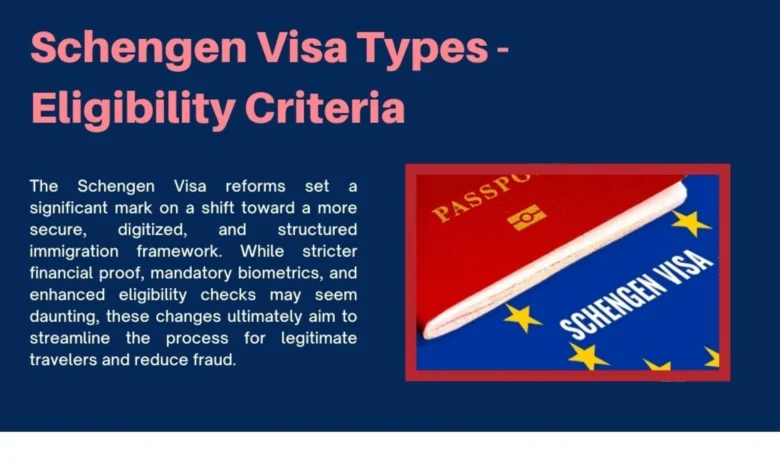
A Schengen visa lets non-EU nationals travel across the Schengen Area’s member states without border checks, usually for up to 90 days within any 180-day period. The main types are the Type C short-stay visa for tourism, business and family visits, and the Type D national visa for long stays such as work or study in one country.
Budgeting your trip? Check how much a Schengen visa costs in 2026.
The Schengen Visa allows non-EU nationals to enter 27 European countries without border checks. Visitors can stay up to 90 days within a 180-day period for tourism, business, study, or family visits.
Schengen Zone Update: Who’s In and Who’s Out?
- Core Schengen Countries: All 27 member states still fully apply the Schengen rules.
- Partial Participants: Bulgaria and Romania allow Schengen visa entry by air and sea only, not land borders.
- Upcoming Members: Cyprus is expected to fully adopt Schengen regulations.
- Excluded: Ireland, Kosovo, Turkey, and Cyprus (land entry) are not eligible for Schengen visas.
Pro Tip: Always check your entry points to confirm whether your Schengen visa is valid for air, sea, or land travel.
New Schengen Visa Changes
See how many days a Schengen visa takes to process so you can plan ahead.
The 2026 reforms emphasize digitalization, stricter eligibility, and security:
- Digital Visa Rollout: Paper visas are being replaced with secure electronic approvals.
- Health Insurance Requirements: €30,000 for short-term stays; €50,000 for long-term.
- Biometric Data: Applicants must submit fingerprints and facial scans.
- Higher Financial Proof: €50–€75 per day depending on the country.
- Fast-Track for Frequent Travelers: Multiple-entry visas valid for 1, 3, or 5 years.
- Stricter First-Time Applicant Screening: Enhanced travel records and documentation needed.
Types of Schengen Visas & Eligibility Criteria
1. Uniform Schengen Visa (Type C – Short-Stay)
Requirements:
- Daily financial proof: €50–€75/day.
- Health insurance: minimum €30,000 coverage.
- Proof of accommodation: hotel reservation, rental, or host invitation.
- Return ticket.
Subcategories:
- Tourist Visa
- Business Visa
- Family/Friend Visit Visa
- Medical Visa
- Cultural/Sports/Religious Events Visa
2. National Schengen Visa (Type D – Long-Stay)
For stays over 90 days: work, study, or family reunion.
Requirements:
- Funds: €1,200–€1,800/month.
- Documents: employment contract, student admission, or family proof.
- Health insurance: ≥ €50,000.
- Accommodation proof.
Subcategories:
- Student Visa
- Work Visa
- Family Reunion
- Entrepreneur Visa
- Medical Visa
- Retirement Visa
3. Multiple-Entry Schengen Visa (MEV)
Allows multiple entries over 1, 3, or 5 years.
Eligibility:
- Travel history to the US, Canada, UK, or the Schengen Area is required.
- 1-Year MEV: after 3 successful short-term visits in 2 years.
- 3-Year MEV: requires 2 prior 1-year MEVs.
- 5-Year MEV: consistent travel history without violations.
4. Schengen Transit Visa (Type A & B)
For travelers transiting to non-Schengen countries via Schengen airports.
Requirements:
- Ticket for the third country.
- Valid visa for destination if needed.
- Travel insurance and accommodation proof.
5. Special Purpose Schengen Visas
Cater to unique travel needs such as work, volunteering, or government visits.
Subcategories:
- Working Holiday Visa: Ages 18–30/35, proof of €2,500, return ticket.
- Seasonal Work Visa: Hospitality, agriculture, or tourism.
- Diplomatic Visa: Government representatives.
- Religious Visa: Missionaries and religious workers.
- Cultural/Sports Visa: Event participants.
Fast-Track & Biometric Requirements
Frequent travelers benefit from fast-track multi-year visas, while first-time applicants undergo biometric screening and must provide strong travel and financial documentation.
Conclusion
The 2026 Schengen Visa reforms focus on stricter eligibility, digital transformation, and enhanced security. Understanding financial proof, biometric data, and fast-track options ensures your application is successful and your European travel seamless.
Being fully prepared guarantees a smooth journey whether your travel purpose is business, leisure, study, or family visits.
Frequently Asked Questions
What is a Schengen Visa?
Non-EU nationals can travel freely within 27 European countries for up to 90 days in a 180-day period for tourism, business, family visits, or study.
What are the new Schengen Visa changes?
Can I work with a Schengen Visa?
Which countries are excluded from the Schengen Visa?
Common Reasons for Schengen Visa Rejection
Wondering whether you can travel without a Schengen visa? Read the exemptions first.
What are the main Schengen visa types?
The Type C Uniform Schengen Visa covers short stays up to 90 days for tourism, business or family visits, while the Type D National Visa covers long stays for work, study or residence in one country. There are also multiple-entry visas for frequent travellers and Type A airport transit visas for layovers.
Can I work with a Schengen visa?
A standard Type C short-stay Schengen visa does not allow employment. If you want to work in a Schengen country, you need a national long-stay visa or work permit from that specific country, which has its own job offer and salary requirements.
Which countries are in the Schengen Area?
The Schengen Area covers most EU members plus Iceland, Norway, Switzerland and Liechtenstein, and Bulgaria and Romania have applied the full Schengen rules, including land borders, since January 2025. Ireland is the only EU member outside the zone, so it needs a separate visa.
What are the basic Schengen visa requirements?
Applicants typically need a passport valid at least three months beyond the trip, travel medical insurance of at least 30,000 euros, proof of accommodation and return travel, bank statements showing sufficient funds, and biometric data. Requirements and fees vary slightly by the country you apply through.
Country-specific rules differ — see our Schengen visa guide for South Africans.
For longer stays, compare the Latvia work visa process for 2026.






5 Comments