Seasonal Jobs in Netherlands attract foreign applicants because employers in this field do hire from abroad — but only through a genuine employer offer. In Netherlands, hiring a worker from outside the EU/EEA usually means an employer offering a role and sponsoring a work permit or residence permit for employment, often after a labour-market check. Sponsored openings exist, but they are employer-led and selective, and lower-skilled roles face tighter checks. Pay, hours and benefits vary widely by employer, region and experience, so headline figures in adverts should never be taken as a promise. This guide sets out the honest route, the qualifications employers usually ask for, and how to apply without paying for a job offer.
A related opening to compare is Netherlands Seasonal Work Visa – Application Process 2026.
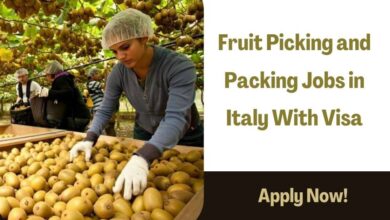
Discover seasonal jobs in the Netherlands for foreigners in 2026 with visa sponsorship, especially in agricultural sectors like fruit and vegetable picking, greenhouse operations, and farm work. These roles are open to non‑EU applicants and typically offer earnings of around €2,000 to €3,200 per month, depending on hours, overtime, and job type with many employers assisting with visa paperwork and even basic accommodation. This makes them ideal for students, travellers, and job seekers looking for short‑term work and cultural experience in Europe.
Detalis:
For a neighbouring option in the same field, see Netherlands Work Visa Process 2026 – Work permit.
- Country: Netherlands
- Job Types: Agriculture, Farming, Poultry, Horticulture, Fruit and Vegetable Picking
- Salary: $14 to $30 per hour for 40 hours per week
- Qualification: High School
- Experience: Not Required
- Age Limit: 18 and Above
- Visa Sponsorship: Yes
What Are Seasonal Jobs in the Netherlands?
Seasonal jobs are short-term, high-demand positions available during specific times of the year, such as summer, winter, or the holidays. These jobs exist in various industries, including tourism, hospitality, agriculture, retail, and event management.
- During summer, farms require seasonal workers to harvest crops such as strawberries, cherries, and apples.
- Retail stores need temporary workers during the holiday season for sales and customer service roles.
- Seasonal jobs provide short-term employment for individuals seeking experience in a specific field and an opportunity to earn extra income.
Read Also: Warehouse Worker Jobs in Netherlands
Benefits of Seasonal Jobs in Netherlands:
- Visa Sponsorship:
Assistance with obtaining a work visa for legal employment. - Competitive Salary:
Fair pay rates aligned with local industry standards. - Cultural Exposure:
Opportunity to immerse in Dutch culture and lifestyle. - Short-Term Commitment:
Ideal for those seeking temporary or casual work. - Networking Opportunities:
Connect with local professionals and seasonal workers. - Housing Support:
Some jobs provide or assist in finding accommodation. - Work-Life Balance:
Flexible work schedules allowing time to explore the Netherlands. - Language Skills:
Improve Dutch and English proficiency for better career prospects. - Multicultural Work Environment:
Gain experience working with people from different backgrounds. - Dutch Work Culture Exposure:
Valuable for personal and professional development.
Requirements of Seasonal Jobs in Netherlands:
To apply for a Netherlands Seasonal Residence Permit, applicants must meet the following requirements:
- Valid Passport: A passport or another official travel document is required.
- TB Test: A tuberculosis test may be required upon arrival.
- Seasonal Work Limitation: Employment should be in farming or horticulture and should not exceed 24 weeks.
- Income Requirements: The salary must meet the minimum set by the Dutch government.
- No Illegal Stay: The applicant must not have previously overstayed in the Netherlands within the last three years.
- Dutch Employer: Employment must be with a registered Dutch company.
- Wages: The employer must provide the standard wage as per labor laws.
- Housing Arrangements: The employer must ensure proper housing arrangements prioritizing the worker’s well-being.
How to Apply for Seasonal Jobs in Netherlands for Foreigners Visa Sponsorship?
- Prepare a Resume/CV: Highlight relevant skills, experience, and qualifications.
- Search for Jobs: Check online job portals, recruitment agencies, and company websites.
- Apply Online: Submit applications with necessary documents through employer websites.
- Prepare for Interviews: Research potential employers, practice common interview questions, and dress professionally.
- Follow Up: Stay in touch with recruiters and be ready to provide additional documents if needed.
Conclusion:
Seasonal jobs in the Netherlands offer a unique chance to earn 14 to 30 per hour while gaining hands-on experience in agriculture, farming, and horticulture. With visa sponsorship, housing support, and flexible schedules, these roles make working abroad accessible and rewarding. Beyond the income, they provide cultural immersion, new friendships, and personal growth in a vibrant, multicultural environment.
Frequently Asked Questions:
What types of seasonal jobs are available in the Netherlands?
Agriculture (e.g., fruit and vegetable picking), farming, poultry, horticulture, retail, hospitality, and event management.
What are the requirements for obtaining a Netherlands work visa?
A valid passport, TB test, proof of seasonal employment (max 24 weeks), meeting income requirements, legal stay history, employer compliance, and proper housing arrangements.
Applicants also compare Netherlands Job Seeker Visa 2026 – Eligibility Requirements.
How Visa Sponsorship Works for Seasonal Jobs in Netherlands
How does visa sponsorship work for seasonal jobs in netherlands?
In Netherlands, hiring a worker from outside the EU/EEA usually means an employer offering a role and sponsoring a work permit or residence permit for employment, often after a labour-market check. Sponsored openings exist, but they are employer-led and selective, and lower-skilled roles face tighter checks. The employer offer comes first; the visa or permit application follows it, and you should never pay an agent for the offer itself.
What qualifications or experience do employers usually ask for?
It depends on the role: skilled and regulated roles need recognised qualifications and relevant experience, while entry-level roles emphasise reliability, basic language skills and a clean record. Employers value verifiable references and any role-specific certificates over generic claims.
What pay and working conditions should I realistically expect?
Pay varies by employer, region, hours and experience, and advertised figures are often the top of a wide range rather than a starting salary. Check whether housing, meals, transport or overtime are included, and confirm salary, hours and contract terms in writing before you travel.
How do I apply safely and avoid job-offer scams?
Apply through the employer’s own channels or a verifiable recruiter, confirm the company and the visa route independently, and never pay a fee for a job offer, visa guarantee or sponsorship. Genuine employers do not sell offers, and pressure to pay quickly is a warning sign.
For the next step, read our guide to Jobs in Netherlands with Work VISA for Foreigners 2026.
Keep an eye on Farm Jobs in Netherlands for Foreigners 2026.