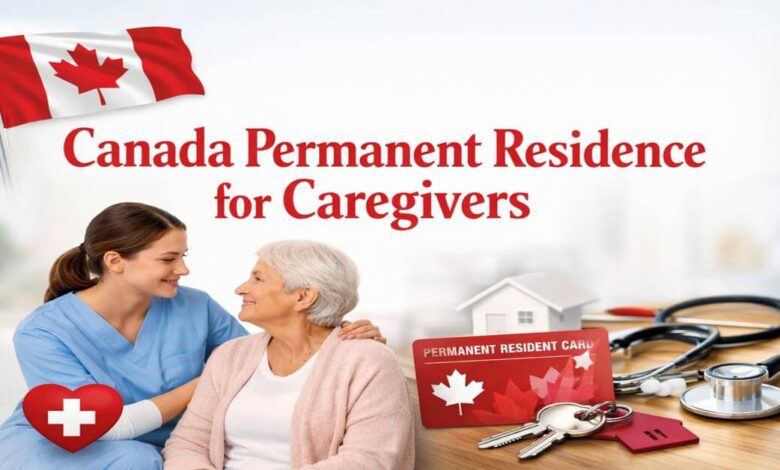
Canada’s caregiver pilot programs can grant permanent residence to caregivers, with 15,000 spots announced. You’ll need CLB 4 language ability, a high-school diploma equivalent, recent caregiving experience, and a full-time home care job offer — though the post’s figures date to the 2024 transition and should be verified against current IRCC programs.
If you’re weighing alternatives, compare this route with our guide to British Columbia’s PNP.
Good News for the People Who Care. As part of the Immigration Levels Plan, Canada said that it would give permanent residence to 15,000 caregivers. You can come to Canada as a helper and get permanent residency as soon as you get there.
Families in Canada need caregivers a lot because they can take care of kids, adults, and people with disabilities. Additionally, caregivers can come to Canada as Home Support Workers to help people and be with them.
The current Home Child Care Provider Pilot and the Home Support Worker Pilot will end on June 17. The Minister of Immigration, Refugees, and Citizenship, the Honourable Marc Miller, launched a new pilot program for better care for caregivers. People who come to Canada through the New Caregiver Pilot program will be able to stay there permanently.
As part of a new pilot program, caregivers will also be able to work for groups that provide short-term or part-time care for people who are mostly independent or who are recovering from an illness or accident. Here are more details about this tool and what you need to do to get it.
Who are Caregivers and what do they do?
For more options in the same region, see our full breakdown of skill shortage occupations in Europe and Asia.
Caregivers can help families who need help with things they do every day. In Canada, the need for nurses is growing. The following things can be done with caregivers’ help:
- Personal Care: Assisting with bathing, dressing, grooming, toileting, and other hygiene needs.
- Daily Living Activities: Helping with tasks like preparing meals, eating, getting around the house, and managing medications.
- Companionship: Getting people to talk to each other and offer mental support can help fight loneliness and isolation.
- Transportation: Assisting with getting to appointments, running errands, or simply going for walks.
- Light Housekeeping: Tasks like laundry, dishes, vacuuming, and making beds.
- Medical Care: Sometimes, caregivers may be taught how to do more difficult jobs, like changing bandages or helping with medication administration (while being watched).
Eligibility Requirements:
To be qualified for this pilot program for the New Enhanced Caregiver:
- Get at least a level 4 on the Canadian Language Benchmarks (CLB).
- Have the same level of education as a Canadian high school diploma.
- Have recent work experience that is related to the job.
- You need to be offered a full-time job as a home care worker.
Statement by the Minister of Immigration, Refugees and Citizenship:
The Honourable Marc Miller, who is the Minister of Citizenship, Immigration, and Refugees, said:
“Caregivers are very important to strengthening families in Canada, and our programs should recognize how much they do.” We are working on a permanent program for caregivers, and these two new pilots will not only help caregivers, but they will also give families the best care they deserve.
How many Caregivers will get Permanent Residence?
It is planned that 15,000 new caregivers will come to Canada.
Since the Home Child Care Provider Pilot and the Home Support Worker Pilot started in 2019, almost 5,700 caretakers and their families have moved there permanently.
Read Also: Latest Jobs in Canada – Work in Canada
What is Meant by a Pilot Program?
The government starts a Pilot scheme every two years. It means that the service is a trial. They want to give it a shot and see if it works out for them and the country.
Demand for Caregivers in Canada:
For many years, the nanny program in Canada has been very well-liked. Some people from outside of Canada are always needed to come to Canada and help people with their kids or the elderly in their homes.
Canada’s population is getting older, so there is a greater need for nurses. Canucks have a lot of old people who need someone to take care of them.
In the next six years, more than nine million Canadians are likely to retire. Because of this, more people will need caregivers in their own homes.
A lot of people want good child care, especially for early childhood schooling. Parents who work often need help taking care of their young children.
Conclusion:
Canada’s new caregiver pilot program wants to give permanent residency to 15,000 caregivers. This is to recognize their important part in helping families and meet the growing need for caregiving services in the country. This program aims to improve caregiver support and make sure Canadians get good care by focusing on language skills, schooling, work experience, and job offers as eligibility criteria.
Frequently Asked Questions:
What is Canada’s new caregiver pilot program?
It’s a program that gives legal residency to 15,000 caregivers in Canada to show appreciation for how important they are to families and to meet the growing need for caregiving services in the country.
Who are caregivers, and what do they do?
Caregivers help people who need it with personal care, daily living tasks, companionship, transportation, light housework, and sometimes medical care. They do this for children, adults, and people with disabilities or diseases.
Canada caregiver pr: Requirements & Eligibility
Applicants exploring this option often also read our guide on Canada’s Spouse Open Work Permit.
Can caregivers get permanent residence in Canada?
Yes. Canada’s caregiver pilot programs offer permanent residence to caregivers, with the program cited in the post targeting 15,000 new caregivers. Applicants typically need CLB 4 English or French, a high school diploma equivalent, recent relevant work experience, and a full-time home care job offer.
What are the eligibility requirements for Canada’s caregiver pilots?
Applicants need at least Canadian Language Benchmark level 4, education equivalent to a Canadian high school diploma, recent work experience related to caregiving, and a full-time job offer as a home care worker. Requirements vary between pilots, so check IRCC for the currently active program.
What happened to the Home Child Care Provider Pilot?
The Home Child Care Provider Pilot and Home Support Worker Pilot ended on June 17 and were replaced by new caregiver pilots, according to the post. This content describes the 2024 transition, so verify the currently open pilots on IRCC’s official website before submitting an application.
For a related pathway, see Canada’s Open Work Permit — requirements, costs and timelines explained.
Before you decide, review Australia’s National Innovation Visa to compare requirements side by side.







3 Comments