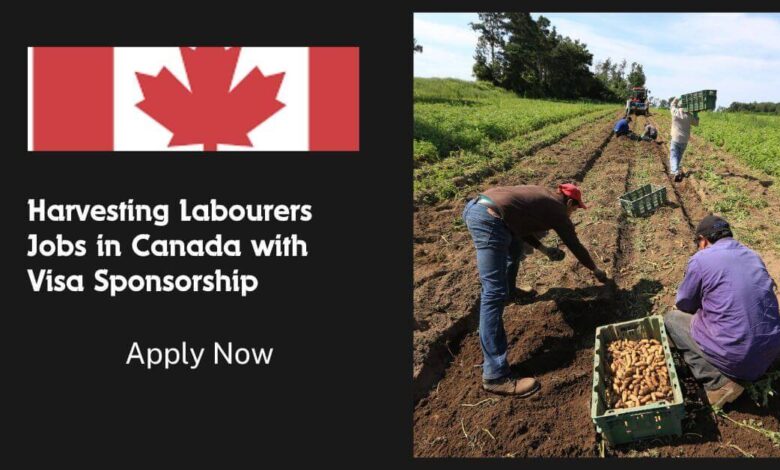
Harvesting Labourers Jobs in Canada attract foreign applicants because employers in this field do hire from abroad — but only through a genuine employer offer. In Canada, sponsorship usually means an employer with an approved Labour Market Impact Assessment (LMIA) hiring you on an employer-specific work permit. Some care and health roles have dedicated streams, but the employer must still be approved — no genuine offer arrives without an employer behind it. Pay, hours and benefits vary widely by employer, region and experience, so headline figures in adverts should never be taken as a promise. This guide sets out the honest route, the qualifications employers usually ask for, and how to apply without paying for a job offer.
A related opening to compare is Visa Sponsorship Harvesting Labourers Jobs in Canada 2026.
Key Points:
- Position: Harvesting Labourers
- Location: Various locations across Canada
- Employment Type: Full-time, Seasonal
- Visa Sponsorship: Available through the Temporary Foreign Worker Program (TFWP) or the Seasonal Agricultural Worker Program (SAWP)
Requirements:
Harvest worker positions in Canada no longer generally require formal education, but employers are looking for specific skills and attributes:
- Physical Fitness: Harvesting is physically demanding, requiring electricity, stamina, and the ability to work long hours in a variety of climates.
- Experience: While not now permanently required, previous experience in agriculture or similar in-depth work is helpful.
- Teamwork Skills: The ability to work well in a crew environment is critical, as farm work regularly involves collaboration.
- Basic knowledge of farm operations: Understanding the basics of planting, maintaining, and harvesting vegetation is nice.
- Language skills: A basic knowledge of English or French can be crucial for conversation and understanding of safety instructions.
- Adaptability: Flexibility to evolve to unique commitments and a willingness to learn are highly valued traits.
Benefits:
For a neighbouring option in the same field, see Canada Temporary Foreign Workers Jobs 2026 – Apply Now.
Working as a harvest worker in Canada offers numerous benefits:
- Competitive wages: Even entry-level positions provide wages that are regularly above minimum wage, with the capacity for overtime.
- Visa Sponsorship: Many employers sponsor visas for foreign workers, providing a pathway to temporary or permanent residency.
- Work Experience: Gain valuable experience in the excessive call for industry, which can be a stepping stone to various options in the agricultural zone.
- Healthcare: Access to a Canadian public healthcare facility is a huge benefit to employees and their households.
- Housing: Many employers provide cheap or free housing close to the assignment site, reducing living costs.
Read Also: Vegetable Farm Workers Jobs in Canada Visa Sponsorship
Duties:
The duties of a harvest worker can vary depending on the form of the farm and the vegetation grown. Common duties include:
- Seeding: Field preparation and seeding by hand or by machines.
- Crop Maintenance: Watering, weeding, and fertilizing plants to ensure healthy growth.
- Harvesting: Harvesting tops, vegetables, or other plants by hand or using a system.
- Sorting and packing: Sorting harvested crops and packing them for transport to markets or garages.
- Equipment operation: Operation and maintenance of agricultural equipment and tools.
- Quality Control: Checking the crops for premium quality and reporting any problems to the manager.
- Loading and Unloading: Moving harvested crops to storage areas or transport engines.
Salary:
Earnings for harvesting jobs in Canada can vary depending on elements along with region, form of crop, and employer. In common:
Hourly Wage: Usually levels from 15 to 20 CAD per hour.
Types of Harvester Jobs:
There are many types of harvest worker jobs in Canada’s diverse agricultural landscape. Here are ten common types:
- Fruit Picker: Harvest the stop result together with apples, berries, and grapes.
- Vegetable Picker: Picking greens consisting of tomatoes, cucumbers, and peppers.
- Grain Harvester: Work on farms that grow wheat, barley, and different grains.
- Vineyard Worker: Specializing in harvesting grapes for wine production.
- Greenhouse Worker: Work in a controlled environment developing and harvesting flowers.
- Orchard Worker: Focused on tree plant life in conjunction with apples, pears, and cherries.
- Flower Harvester: Collecting plants for the flower commercial enterprise.
- Root Crop Harvester: Harvest vegetation along with potatoes, carrots, and beets.
- Nut Picker: Harvest nuts along with almonds, walnuts, and pecans.
- Cannabis Harvester: Work on certified farms to reap hashish flowers.
Job Application Process:
- Explore job opportunities: Start by trying to find jobs on Canadian activity forums, agricultural websites, and agency career sites.
- Prepare your resume: Tailor your resume to highlight relevant hobbies, competencies, and attributes. Include any previous agricultural painting, manual labor, and language skills.
- Apply for a job: Submit your application through the organization’s specific method, which may consist of online forms, emails, or activity portals.
- Job offer: After receiving the process, provide and evaluate phrases and situations consisting of salary, painting hours, housing preparations, and visa sponsorship information. If the whole lot is exceptional, get an offer.
- Visa Application: With the process in hand, track your work visa. The business regularly helps with the visa method by submitting important documentation and management.
- Orientation and Training: Upon arrival, you can go through an orientation session and training to quickly familiarize yourself with the activities, safety protocols, and operation of the farm.
- Get to work: Start your new position as a harvest worker and contribute to Canada’s vibrant agriculture
Conclusion:
Harvesting Labourers Jobs in Canada are a genuine route abroad when the offer is real and the sponsorship route is the country’s normal employer-led one. Verify the employer, confirm the contract in writing, and never pay for a job offer — then apply through proper channels with documents you can prove.
Frequently Asked Questions:
How Visa Sponsorship Works for Harvesting Labourers Jobs in Canada
Applicants also compare Latest Jobs in Canada 2026.
How does visa sponsorship work for harvesting labourers jobs in canada?
In Canada, sponsorship usually means an employer with an approved Labour Market Impact Assessment (LMIA) hiring you on an employer-specific work permit. Some care and health roles have dedicated streams, but the employer must still be approved — no genuine offer arrives without an employer behind it. The employer offer comes first; the visa or permit application follows it, and you should never pay an agent for the offer itself.
What qualifications or experience do employers usually ask for?
It depends on the role: skilled and regulated roles need recognised qualifications and relevant experience, while entry-level roles emphasise reliability, basic language skills and a clean record. Employers value verifiable references and any role-specific certificates over generic claims.
What pay and working conditions should I realistically expect?
Pay varies by employer, region, hours and experience, and advertised figures are often the top of a wide range rather than a starting salary. Check whether housing, meals, transport or overtime are included, and confirm salary, hours and contract terms in writing before you travel.
How do I apply safely and avoid job-offer scams?
Apply through the employer’s own channels or a verifiable recruiter, confirm the company and the visa route independently, and never pay a fee for a job offer, visa guarantee or sponsorship. Genuine employers do not sell offers, and pressure to pay quickly is a warning sign.
For the next step, read our guide to Canada Factory Worker Jobs 2026 – LMIA Approved Jobs.
Keep an eye on Canada Express Entry Draw 2026 – Complete Guide.